By Rich
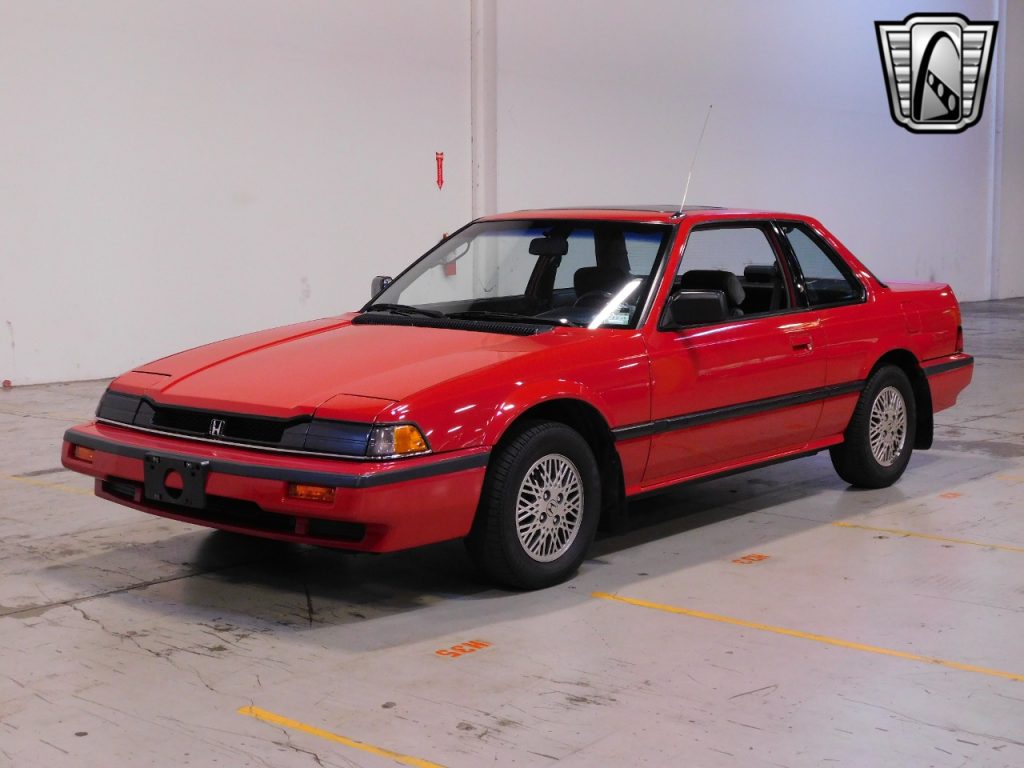
So you think you’ve found the one.
For over a year now you’ve had email alerts on bringatrailer.com, classic.com, and eBay motors and here she is: a viable candidate close enough to inspect in person and in the right price range! Here is my advice on how to see if she really is the one to bring home to the family.
Start Over The Phone
Call and talk to the seller for a few minutes before you travel to see the car to rule out any instant deal breakers. Find out how long they’ve owned it, how many owners the car has had, and why they’re selling it now. The answers usually paint a pretty clear picture about whether the car is a solid foundation for a restoration or whether it may be a major project you’d rather avoid. A long-term owner can give a much more detailed history than someone who just picked it up recently and is flipping it – be on guard with that type of seller. While you’re at it, ask whether the car is stock. Personally, I would much rather start with a stock car that needs work than a car with unnecessary modifications that may cause problems. These cars don’t really need “improvement” to be enjoyable, and reversing modifications can take longer than fixing normal wear.
Ask whether the car has ever been in an accident or had any kind of theft history. You won’t always get a perfect answer, but it’s worth asking and then comparing the responses to what you see later – if there are major inconsistencies between the narrative and what your eyes are telling you about accident history, I’d walk.
Ask what service records are available – most importantly about regular oil changes. While some maintenance intervals can be deferred without permanent harm, oil changes are not on the list. Documentation proving they were completed regularly is a big plus.
Don’t forget to ask about the timing belt! If there’s no record of when the timing belt was last replaced, you should assume it hasn’t been done. Preludes have interference engines, so if the belt lets go while a Prelude is running, the engine is toast. If the timing belt history is unknown, the safe move is to treat that as something that needs to be addressed immediately, and to minimize operation of the car until it is done. If you are not the mechanical type, budget several hundred dollars to have a shop do the work – along with replacement of the cam and crank seals. Each of these should be done each time the timing belt is done as the parts themselves are inexpensive but the labor of reaching them – already part of a timing belt replacement – is not!
If there are no deal breakers during the intro phone call, get on the road and go see it! But choose a sunny day if the car is to be viewed outdoors. Paint work always looks better in the rain, and wet ground can discourage a thorough inspection of the underside of the car (discussed below).
First Look
From ten feet away, you’re looking for the overall impression. Does it look like a straight, complete car? Are there obvious signs of paint mismatch or misaligned panels?
Then get closer and start looking at the details. The hood, the fenders, the doors—do the gaps look even from side to side? Any signs of replaced fenders, hoods, trunk lid? Are all the windows original? Original windows will have a small manufacturer sticker, so any replaced windows will be easy to spot. Are the parking light / directional lenses original? A little fade on all of these can be a good sign – that they are original and the car has not been in a collision.
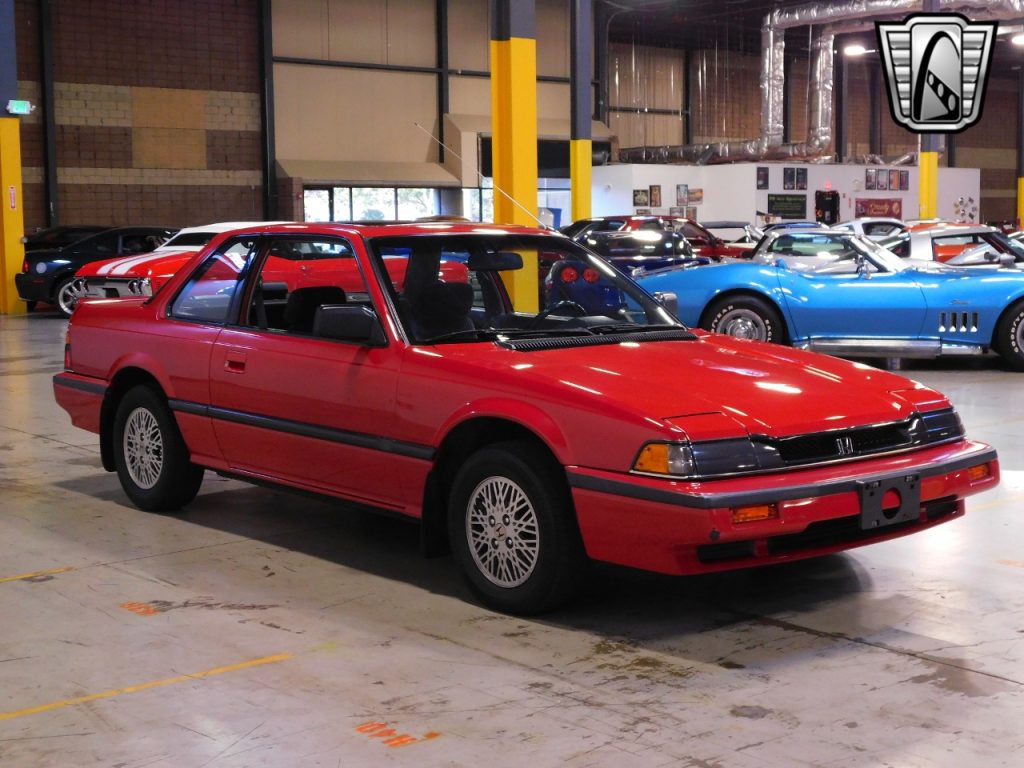
Look for consistency in the paint. A little fade fine and can actually testify to the originality of each panel. Body work has been done where one panel looks newer or slightly different in color than the one next to it. Same with things like overspray on trim or weatherstripping, or fasteners that look like they’ve been removed.
If you find signs of body work, it doesn’t automatically mean “walk away” unless the car’s as-told history is very different from what you are seeing in person. Minor body work is not a deal breaker, but if you see signs of a frame straightening (for example, frame straighteners often leave visible clamp marks on the underside of the car) then adjust your willingness to pay accordingly, or walk away if you aren’t in the market for a project car.
Check the Trim
Classic Prelude owners will tell you that the toughest parts to find for these cars are plastic interior fittings. So before you even open the hood, look at what’s there. Are all the exterior trim pieces present too? Do the lights, moldings, and small details look intact? If anything is missing, operate on the assumption that you may not find a replacement on eBay for a while – if at all. If lots of hard-to-find plastic trim is missing, again, adjust the price or consider walking if you wouldn’t enjoy looking at the void where trim should be.
Then see what works. Power windows, switches, HVAC controls, sunroof if it has one. You’re not expecting perfection, but you do want a sense of how much work you’ll need to do to get the car into the shape you want.
Under the Hood
A tidy and mostly stock engine bay is a good sign. Properly routed, leak-free hoses, wiring that hasn’t been spliced into five different times, parts that look like they belong on the car—that all points in the right direction. If instead you see a lot of improvisation—random clamps, loose wiring, mismatched parts—the car may have hidden demons in the form of sloppy shade-tree work by prior owners.
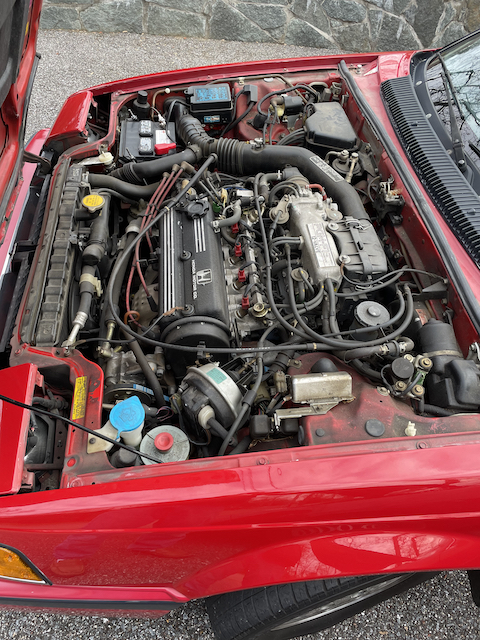
Check the fluids. Look at the oil, look at the coolant, look at the brake fluid. If the seller says the car has been maintained, this is where the proof lies. None of the fluids should be filthy or half full. Take off the oil filter cap and look both at its underside and the tops of the rocker arms. If you see black sludge in either place, either budget for an engine rebuild or walk. Again, a lack of oil changes is my only real instant deal breaker apart from signs of flood damage, a major collision, or sloppy “performance” modifications.
Look Underneath
If you can get the car on a lift, do it! That’s the best-case scenario. You want to see the underside clearly—the rocker panels, the floor pans, the suspension mounting points, the lines running under the car. At this age, rust can present a major problem and make the car very challenging to work on, so you want to know exactly what you’re dealing with. Look for leaks around brake lines or calipers, corrosion of the metal fuel and brake lines, and, as mentioned, signs of the clamps from a frame straightener.
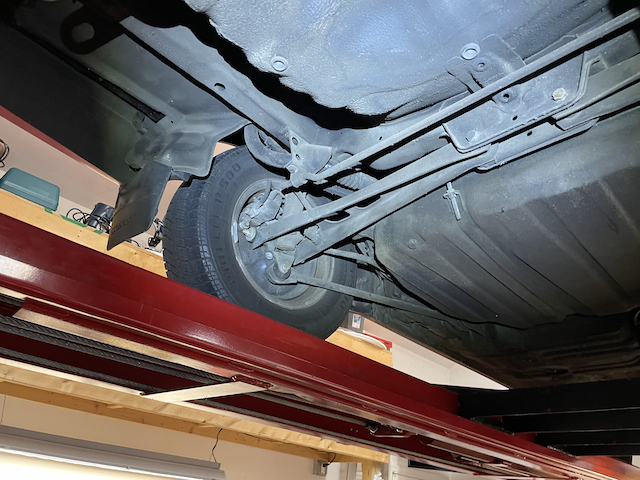
Don’t show up decked out in your best Sunday clothes, because if a service lift isn’t available, you want to be able to get down on the ground and get a little dirty. Bring a good flashlight and look underneath the car. Take your time. Move around. Look from different angles for the items mentioned above.
The Test Drive: Get A Cold Start If Possible
Ideally, you want to start the car cold. Does it fire right up, or does it struggle? Sluggish starting can have a variety of causes ranging from a fouled carburetor or fuel injectors to low compression. Once it fires, how does it idle? Does it settle down, or does it hunt around? Any puff of blue smoke when it fires? If so, the valve seals may be worn.
The Drive
Start gently and pay attention to the basics. The clutch, the shifter, the steering, the brakes. Does the clutch pick up at the end of the pedal travel? It may need a new one (or maybe just a pedal adjustment). Shift down without matching revs to see if the gears grind. If they do, they synchros may be worn and an expensive transmission rebuild may be necessary. Is the power steering working correctly? Any left-right pull under braking? The steering should feel direct with no play or pulling to the side. The engine should pull cleanly from low revs if it’s running correctly, because one of the things that stands out about these cars is their low-end torque compared to modern 4 valve engines.
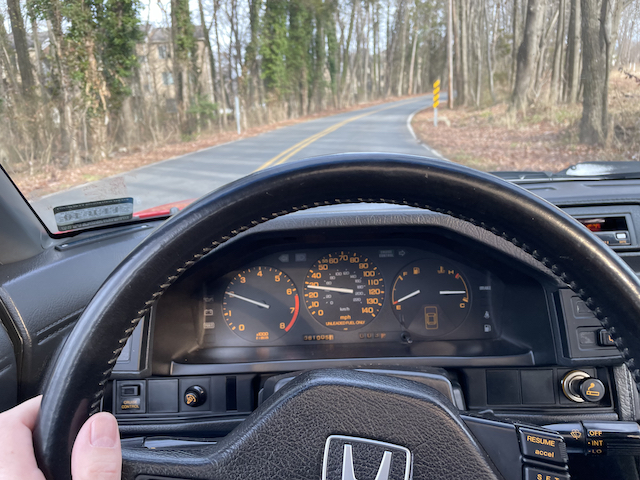
If the car feels vague, clunky, or disconnected, that usually points to worn suspension, tired bushings, or general neglect. None of that is unusual, but it helps you understand how much work you may have ahead of you and / or how much you need to budget for professional help.
After the Drive
When you get back, let the car idle for a minute. Then look underneath again. See if anything is dripping that wasn’t before. Smell for anything that seems off. Pop the hood again and take another look now that everything is warm. Sometimes things only show up after the car has been driven a bit. Use your nose – some leaks may not be visible but you’ll smell them on a hot engine.
Decision Time!
At the end of all this, you’re not really looking for a perfect car. You’re looking for a car that is complete, mostly unmodified, and fundamentally solid. Assuming you saw no deal breakers, tally up the To Do list based on what you saw and decide: is this particular example what you need, or does she simply need too much given your budget and time constraints. This decision is up to each individual buyer – some will be happy with a cheap project they can enjoy bringing back, while others may want an example ready to go after a quick mechanic’s once over. Either way, be sure to negotiate a price that leaves room for any work the car needs so you don’t wind up underwater on the value of the car down the road.
Oh, and once you’ve brought her home, get her out on the road often! These cars are meant to be enjoyed, and sitting idle for extended periods can often be more harmful than taking them out for regular, gentle Sunday joyrides.
Remember – minor body work from dings or small dents is not a deal breaker. Several panels on my ’87 Si had paint work from minor garage damage. As long as the panels are original, a little bodyworks is OK.